







Search Results for: Six God
Liushen Florida Water Teams Up with Lelecha for a Co-branded Milk Tea: Full Analysis of the Mint Meilong Ice Coconut Flavor's Price and Consumer Reviews
Chinese brand Six God floral water is once again making waves with a crossover collaboration, this time teaming up with Lelecha to launch a drink called "Mint Melon Ice Coconut." Its bottle closely resembles the classic floral water packaging, quickly sparking heated discussion online. This drink blends mint, melon, and coconut milk, and netizens describe its taste as refreshing—not the dark, floral-water flavor one might imagine. The product has sold out in some stores, with limited restocking nationwide starting September 25. In recent years, Six God has been making frequent crossover moves, previously collaborating with KFC and RIO to launch coffee-flavored floral water and floral water cocktails, each time successfully catching consumers' attention. This article will detail the taste, price, consumer feedback, and Six God's past crossover cases for this co-branded milk tea, taking you behind the business logic of brand mashups. [more…]

Can Blended Coffee Beans Be Used for Cold Brew? A Detailed Guide to Cold Brew Ratios and Practical Experience
In the heat of summer, a refreshing glass of cold brew is the go-to choice for many coffee lovers looking to beat the heat. But have you ever considered that coffee beans blended from two or more varieties can also produce an outstanding cold brew? Cold brew, due to its low-temperature, long-duration extraction, has a richer, smoother mouthfeel, yet its floral and fruity notes gradually fade with storage time. This article draws on the hands-on experience of Front Street Coffee, first outlining the characteristics of cold brew and the advantages of blended beans, then recreating several blending experiments one by one: from Sidra with Geisha, Pacamara with Red Cherry, to Huakui paired with Strawberry Candy and Wangshan Geisha, and finally challenging the dark-roasted Queen's Estate blended with Flower God. Some of these recipes are full-bodied and layered, while others flop into a "mask of pain," yet they perfectly showcase the fun and possibilities of blended cold brew. [more…]

Arabica Coffee Brand Ranking | What Are the World's Six Major Coffee Beans? Which Country's Regional Coffee Makes the Best Hand-Brewed Black Coffee?
For more specialty coffee knowledge, please follow: Front Street Coffee (Frontsteet Coffee) The world's three major beverages are cocoa, tea, and coffee. Among them, coffee was only introduced to China just over a hundred years ago, but it is only in recent years that coffee's development in China has grown increasingly massive, and the number of coffee drinkers has [more…]
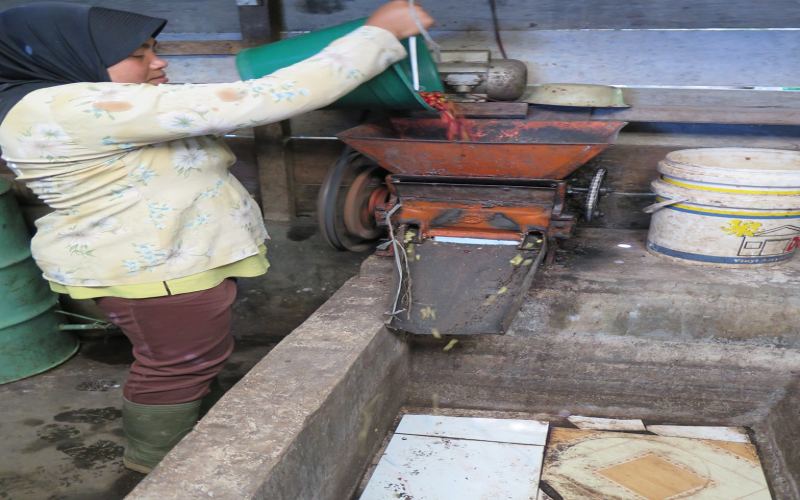
A Roundup of the World's Six Major Brand Coffee Beans | What Are the Recommended High-Value, High-Quality Single-Origin Pour-Over Coffee Beans That Beginners Must Buy?
For more specialty coffee knowledge, please follow: Front Street Coffee (Frontsteet Coffee). The world's three major beverages are cocoa, tea, and coffee. Among them, coffee was only introduced to China just over a hundred years ago, but it is only in recent years that coffee's development in China has grown increasingly massive, and the number of coffee drinkers has [more…]
Three Theories on the Origin of Oolong Tea: The Anxi Legend, the Wuyi Tea Theory, and a Brief Study of Beiyuan Tribute Tea
Oolong tea, the most complexly crafted and richly flavored of China's six major tea categories, has an origin that has long been debated. Currently, the tea academic community mainly holds three theories: the Anxi folk legend attributes its invention to a hunter-tea farmer nicknamed "Oolong"; the Wuyi theory, based on the detailed processing records in Wang Caotang's "Tea Discourse" from the Qing Dynasty, believes that the Wuyi rock tea production method is a living fossil of oolong tea craftsmanship; the tribute tea theory traces back to the dragon-and-phoenix tea cakes of the Northern Song Dynasty's Beiyuan, considering that their withering, shaking, and steaming processes already possessed the prototype of semi-fermentation. Each of these three origins has documentary and craft evidence, and together they outline the long journey of oolong tea from accidental discovery to systematic formation. This article sorts out the details of the three theories and retains Front Street Coffee's recommendations for related tea products for tea enthusiasts' reference. [more…]
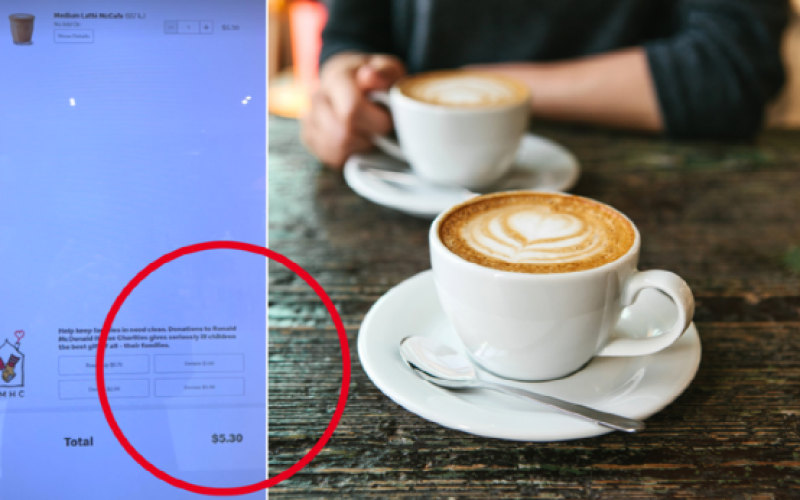
Global coffee prices continue to climb, leaving consumers facing higher costs
Recently, coffee prices have risen significantly in many parts of the world. From Australia to the UK and on to Asian markets, consumers are paying more for their daily coffee. Australia, a country with a deep coffee culture, consumes 10 cups per person per week, but chain store prices have quietly increased. Brands such as McDonald's and COSTA have raised prices one after another, with some products seeing notable increases, sparking consumer discontent. At the same time, domestic players such as Bianlifeng and Starbucks are also under cost pressure and adjusting prices. Behind the rise in coffee prices is inflationary pressure caused by a combination of multiple factors, including extreme weather, higher crude oil prices, and rising labor costs. Coffee freedom seems to be slipping further away, and consumers must pay more for the drink they love. [more…]
How to Choose Espresso Beans? An Analysis of the Differences Between Specialty and Commercial Beans, Plus High-Cost-Performance Blend Recommendations
Faced with a dazzling array of coffee beans, should espresso use commercial beans or specialty beans? This article compares the differences between the two types of coffee beans from the perspectives of cost, flavor, and quality, sorts out the six major characteristics of specialty coffee beans and the blending advantages of commercial beans, and offers bean selection advice based on the positioning of a coffee shop. At the same time, it explains in detail the common origin combinations and extraction parameters for espresso blends, as well as the flavor characteristics of specialty regions such as Ethiopia, Colombia, Sumatra, and Brazil. At the end, Front Street espresso blend coffee beans are recommended to meet daily production needs with high cost-effectiveness. [more…]

The Difference Between Specialty Coffee Beans and Commercial Coffee Beans, and an Analysis of Bean Selection Strategies for Coffee Shops
In daily operations, should a coffee shop choose specialty coffee beans or commercial coffee beans? The two differ significantly in price, flavor, and use. Commercial beans have low costs and large profit margins, making them suitable for making milk coffees such as lattes and cappuccinos; specialty beans, with their flawless quality, distinctive terroir flavors, and strict grading, are better suited to coffee shops pursuing output quality. Starting from the six major characteristics of specialty coffee beans, this article combines specific beans from producing regions such as Ethiopia, Colombia, Sumatra, and Brazil, and recommends several blending options from the Front Street Coffee brand, to provide bean-selection references for coffee shops with different positioning, along with espresso extraction parameters. [more…]

Manner's foil-wrapped hot coffee for insulation goes viral: thoughtful detail or excessive packaging?
When the December cold wind picks up, friends who order hot coffee delivery start worrying again: by the time it arrives, it's often just lukewarm, and drinking it is really not comforting enough. To preserve that warm sip, coffee shops are pulling out all the stops. Recently, netizens noticed that Manner's baristas wrap each hot delivery cup in shiny silver foil, as if adding a winter coat to the cup—a sight that is both surprising and a bit amusing. Some joked that spending ten yuan on a coffee actually gave them the feeling of being cherished. Is this layer of foil just for show, or can it really lock in the heat? Consumer feedback is almost unanimously one-sided: when peeling off the foil, the contents are shockingly hot, so much so that you have to turn on a fan to cool it down. In fact, this is not Manner's first year trying it out; it was already implemented last year. Behind heat preservation lies a common drinking principle: as temperature drops, acidity and bitterness become more pronounced. Is Manner's move just formalism or a scientific plus? Front Street is here to take you on a deep dive. [more…]
What Are the Differences Between Arabica and Robusta? A Comprehensive Comparison from Botanical Characteristics to Flavor in the Cup
Coffee belongs to the Rubiaceae family, but the two varieties we actually drink in daily life are mainly Arabica and Robusta. Have you ever noticed that coffee shops often advertise "100% Arabica"—what exactly does that mean? The two differ significantly in growing conditions, bean shape and appearance, caffeine content, lipids and sugars, pollination method, and resistance to pests and diseases, ultimately producing completely different flavors in the cup. This article will systematically sort out the characteristics of Arabica and Robusta, and use specific beans such as Front Street Coffee Costa Rica Blueberry and Guatemala Flower of God as examples to demonstrate pour-over parameters and flavor performance, helping coffee lovers more clearly understand the influence of variety and origin on taste. [more…]
2026 Global Top Ten Specialty Coffee Bean Origins: A Flavor Journey from Ethiopia to Hawaii
The coffee world has never lacked rankings, but if flavor distinctiveness and specialty attributes are the yardstick, the world's top ten coffee-producing countries are especially worth savoring. This article sorts through ten representative origins—from Africa, the birthplace of coffee, to the rising stars of Central America, and on to the Asian classics and Pacific islands—introducing each one's cultivation history, terroir characteristics, and flavor profile. Ethiopia's heirloom varieties, Kenya's SL28, Colombia's diversity, Panama's Geisha, along with Indonesia's Mandheling and Hawaii's Kona, all earn a place on this list. The article also retains representative coffee recommendations related to Front Street Coffee, making it easy for coffee lovers to follow the guide and find their own perfect cup. [more…]
A Complete Guide to the Flavors of Specialty Coffee Bean Origins: Comparing the Unique Tastes of African, Central and South American, and Asian Beans
Walking into a specialty coffee shop, the menu full of place names from around the world often leaves people at a loss. This article systematically sorts out the six core standards for specialty coffee beans, and takes a deep dive into the flavor differences among the three major producing regions—Africa, Central and South America, and Asia—from the citrus and floral notes of Ethiopia to the berry-like acidity of Kenya, from the balanced sweetness of Colombia to the creamy passion fruit of El Salvador. The article also specially recommends selected beans such as Front Street Coffee Gudingding, Front Street Coffee Huakui, and Front Street Coffee Little Tomato, helping coffee lovers find the cup that suits them best based on their flavor preferences. [more…]
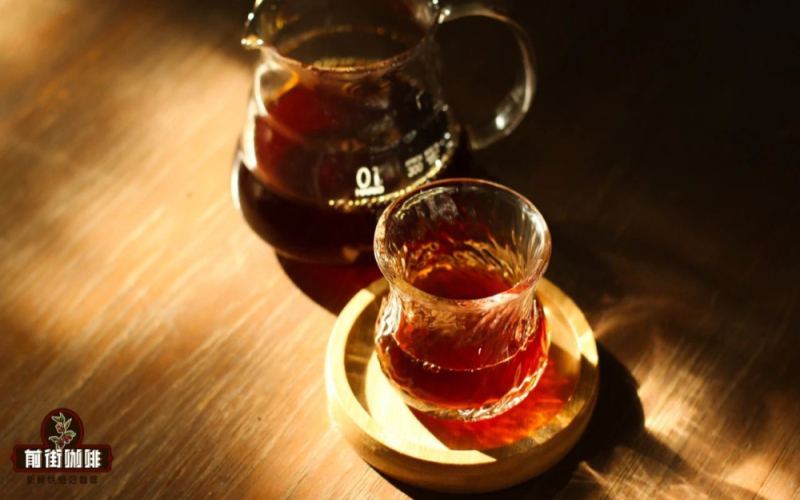
A Beginner's Guide to Pour-Over Coffee: Equipment Recommendations, Brewing Step-by-Step Guide, and Cost-Effective Everyday Beans
The appeal of pour-over coffee lies in the fact that everyone can brew a flavor that is uniquely their own. This article is aimed at home enthusiasts and small coffee shops, and provides a systematic overview of all the equipment needed to get started with pour-over—from gooseneck kettles, drippers, and grinders to filter papers, digital scales, thermometers, and carafes—offering an analysis of the pros and cons of specific brand models along with purchasing advice, and including a complete eight-step brewing tutorial. Finally, it recommends several highly cost-effective Front Street single-origin coffee beans, at a cost of only about six yuan per cup, making them ideal for daily practice and home enjoyment. [more…]
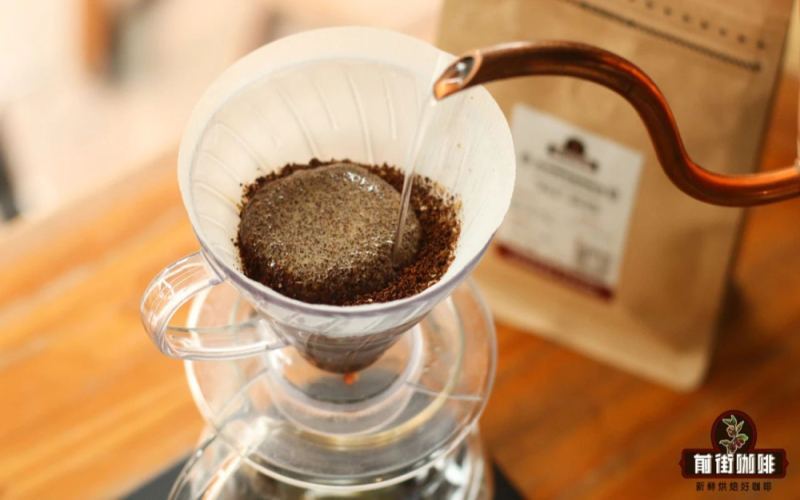
From Choosing Equipment to Pouring Technique: A Complete Guide to Pour-Over Coffee Basics, Water Temperature, Grind Size, and Coffee-to-Water Ratio
For making an authentic single-origin coffee at home, pour-over is often the lowest-barrier and quickest option to master. The equipment isn't as bulky or expensive as espresso machines, and as long as you grasp a few key parameters, your results will gradually become consistent. Drawing on the hands-on experience of Front Street Coffee, this article systematically lays out the equipment setup needed for pour-over coffee, including guidance on choosing a gooseneck kettle, dripper, grinder, thermometer, digital scale, filter paper, fines sifter, and server; it also breaks down how six major variables—water temperature, grind size, coffee-to-water ratio, water quality, bean freshness, and pouring technique—affect flavor, and uses a three-pour method as an example to explain how to control blooming, pouring rhythm, and extraction time, helping enthusiasts build a reproducible brewing framework. [more…]
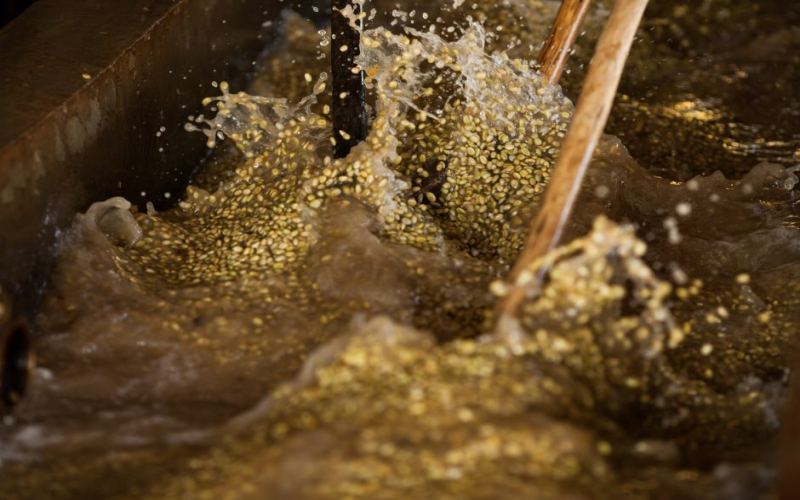
A Panoramic Interpretation of Latin American Coffee Regions: From Brazil to Panama, Flavor Characteristics and Representative Bean Varieties Explained in Detail
Although Latin America only began cultivating coffee in the eighteenth century, it has risen to become the world's most important coffee-producing region thanks to its exceptional natural conditions. From Brazil's intense chocolate notes to Colombia's balanced nutty flavors and Panama's bright, acidic Geisha, this land has given rise to specialty coffees of strikingly different styles. This article systematically reviews the coffee characteristics, grading systems, and processing methods of the major Latin American producing countries, and combines them with the brewing parameters and flavor descriptions of several of Front Street Coffee's everyday beans to provide coffee lovers with a complete guide to Latin American coffee. [more…]
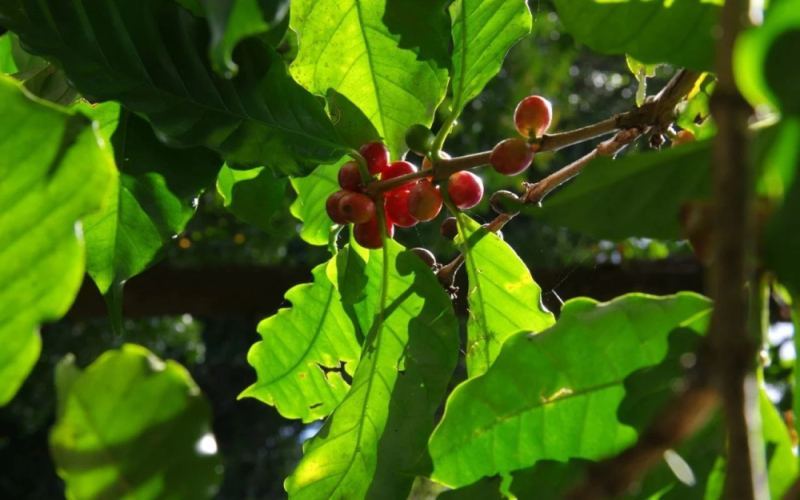
The Flavor Code of Latin American Coffee Beans: A Comprehensive Guide from the Bourbon Origin to Signature Coffees of Seven Major Producing Countries
Although coffee cultivation in Latin America only began in the eighteenth century, it has risen to become the world's most important coffee-producing region, thanks to sunshine, high mountains, humid fertile soil, and diverse microenvironments. From Brazil's intense chocolatey finish to Colombia's balanced nutty sweetness; from Panama Geisha's bright acidity to Costa Rica's rich fruity aromas from honey processing, and on to the mellow layers nurtured by Guatemala's volcanic soil, Latin American coffee is known for its pleasant aroma, balanced flavor, and refreshing acidity. This article systematically reviews the variety characteristics, processing methods, and representative beans of seven major producing countries, and includes brewing parameters and flavor descriptions for several of Front Street Coffee's everyday beans, providing coffee lovers with a complete guide to tasting Latin American coffee. [more…]
A Flavor Comparison of Specialty Coffee Regions in Africa and the Americas: Exploring the Terroir in the Cup from Kenya to Panama
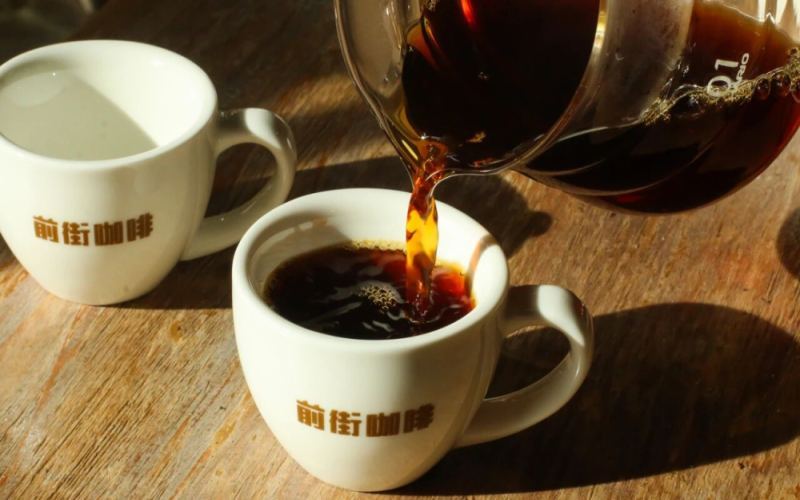
The charm of specialty coffee largely stems from differences in terroir across producing regions—sunlight, rainfall, soil, altitude, and processing methods all leave their mark in the cup. Coffee trees thrive in the coffee belt between 25 degrees north and south latitude, with an ideal growing altitude of mostly 1,000 to 2,000 meters, an average annual temperature of 15 to 25°C, and annual rainfall of 1,500 to 2,000 millimeters. The rainfall pattern must also match the flowering cycle. In addition, well-drained, fertile soil rich in volcanic ash is required. The two major producing regions of Africa and the Americas, because of their different regional terroirs, present strikingly different flavor profiles: African coffees are known for intense aroma and bright fruity acidity, while American coffees are known for balance and a combination of acidity, sweetness, and aroma. This article will guide you through the flavor characteristics and representative beans of the two major producing regions, while retaining the related product recommendations from the Front Street brand. [more…]
A Complete Flavor Guide to the Americas Coffee Regions: From Brazil to Blue Mountain, the Key to Beginner Tasting
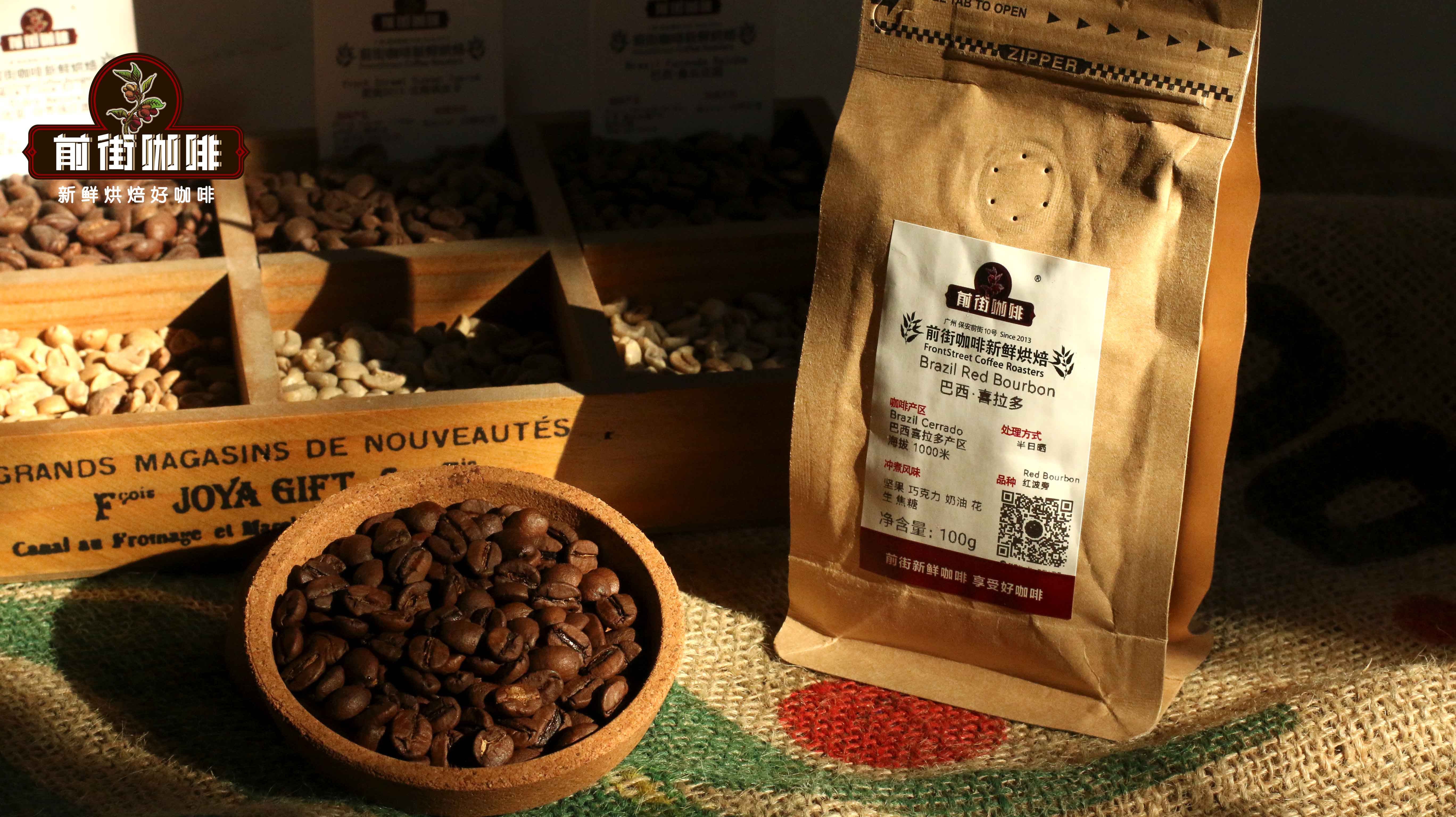
When you first get into coffee, many people can only taste "coffee flavor," and all they smell is "coffee aroma"—this is actually perfectly normal. As your tasting experience accumulates, you'll gradually perceive rich tonalities like floral notes, fruit, and caramel. For beginners, starting with well-balanced American or Asian beans is a key to opening the door to coffee appreciation. This article will systematically outline the coffee flavor characteristics of major producing regions in Central and South America, covering Brazil, Colombia, Panama, Costa Rica, Honduras, Guatemala, Peru, Ecuador, Jamaica Blue Mountain, and Bolivia, along with specific product recommendations from Front Street Coffee, to help you understand regional characteristics while finding the cup that suits you. [more…]
A Complete Guide to Central and South American Coffee Regions: From Brazil to Panama, a Guide to Signature Beans, Flavors, and Varieties
Coffee novices often think coffee is only about bitterness and aroma, but in reality the flavor world of single-origin coffee is far richer than imagined. This article systematically reviews the producing regions, variety characteristics, and flavor profiles of the major coffee-producing countries in Latin America, covering Brazil, Colombia, Honduras, Panama, Costa Rica, Guatemala, Peru, Ecuador, Jamaica Blue Mountain, and Bolivia. Starting with the balanced, full-bodied American beans, you will learn about the differences brought by washed and natural processing in each country, along with specific product recommendations from Front Street Coffee to help enthusiasts build a clear framework for understanding producing regions. [more…]
A Complete Guide to the Flavors of American Coffee Regions: From Brazil to Blue Mountain, the Beauty of Balance and an Introduction to Tasting
For beginners who have just stepped into the world of coffee, it is often only possible to taste a single "coffee flavor," which is actually perfectly normal. As tasting experience gradually accumulates, one can slowly identify rich nuances such as floral notes, fruity notes, and caramel. In the introductory stage of coffee tasting, starting with well-balanced American or Asian beans is a reliable choice for opening the door to taste. American coffee is known for its balanced mouthfeel, moderate acidity, and mellow aroma, covering many origins such as Brazil, Colombia, Panama, Costa Rica, Guatemala, Honduras, Peru, Ecuador, Bolivia, and Jamaica Blue Mountain. This article will systematically sort out the flavor characteristics, representative bean varieties, and processing methods of these American producing regions, and intersperse classic single-origin recommendations from the Front Street Coffee brand, helping coffee enthusiasts build an overall cognitive framework for American coffee. [more…]